
Diesel truck extended warranty coverage, made clear.
Turbochargers, fuel injection systems, and transmissions are expensive to repair once the factory warranty runs out. See what a diesel truck vehicle service contract typically covers, compare coverage tiers, and request a free quote.
Does any of this sound like your truck?
- Factory warranty expiring soon, or already expired
- High mileage and heavy commercial or towing use
- Worried about a major diesel repair bill
A vehicle service contract covers what your factory warranty won't.
Every new diesel truck comes with a manufacturer warranty, but factory coverage on most trucks — especially the longer powertrain warranty — has an end date measured in years and miles. Once it lapses, a major failure like a turbocharger or a transmission comes out of your pocket.
A diesel truck extended warranty, formally a vehicle service contract (VSC), is a separate product you purchase from a warranty administrator. It's built to pay toward covered mechanical repairs — it is not auto insurance, doesn't use terms like "premium" or "policy," and doesn't cover collision or liability.
Understanding the coverage tiers and how the repair process works is the first step to picking the right plan for your truck.
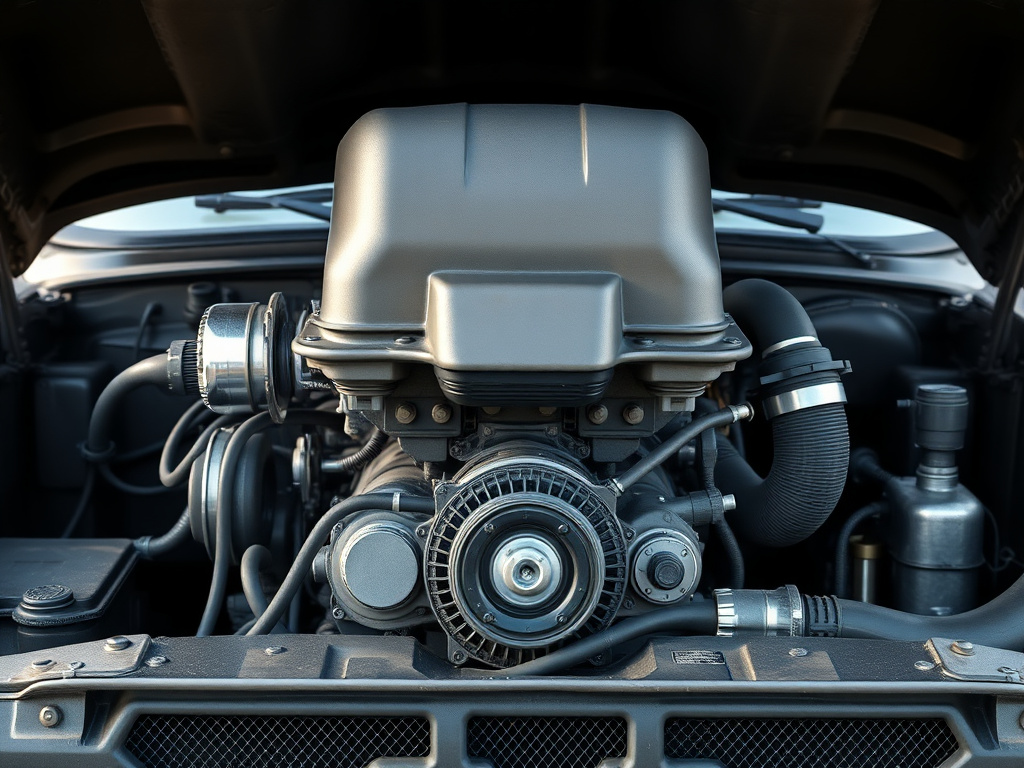
The systems that fail expensive on a diesel
Coverage varies by provider and plan tier, but these are the diesel-specific systems most extended warranty plans are built around.
Turbocharger
Housing and internal components — one of the more expensive single-part failures on a diesel.
Fuel injection system
High-pressure common-rail pump and injectors, commonly included on mid-tier and higher plans.
Transmission
Case and internal components — gears, shafts, torque converter — often a powertrain-tier staple.
Emissions / DPF system
DPF, SCR catalyst, and related sensors — coverage here varies more by provider than other systems.
Engine internals
Block, heads, and internal components typically anchor powertrain-tier coverage.
Electrical & climate systems
Often added on comprehensive/exclusionary tiers rather than powertrain-only plans.
From requesting a quote to a covered repair
Tell us about your truck
Type, mileage, and how you use it — personal, business, or fleet — shapes which plans fit.
Compare coverage tiers
We help you understand powertrain vs. comprehensive coverage so you can choose with confidence.
Get a personalized quote
We connect you with a provider for pricing based on your truck's year, mileage, and use.
Repair at a covered facility
When something breaks, an approved repair facility diagnoses it and works with the provider directly.
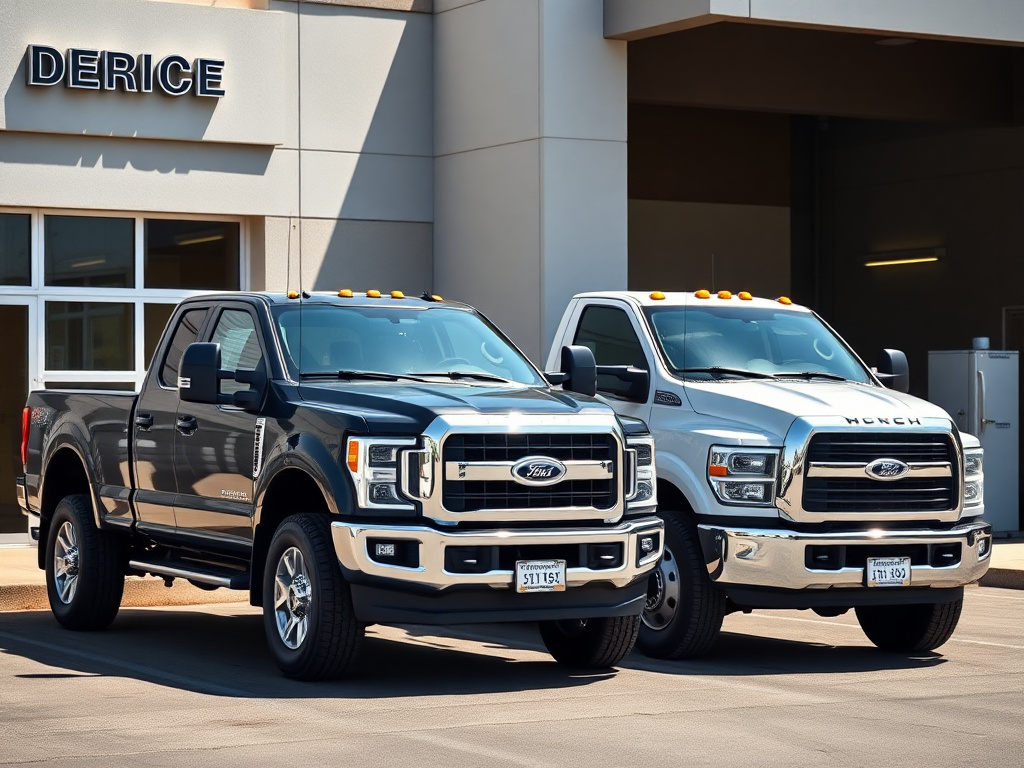 Coverage Basics
Your factory warranty and an extended warranty aren't the same thing.
A manufacturer warranty comes with the truck at purchase, backed by the OEM, and runs for a set number of years and miles — powertrain coverage on most trucks runs longer than bumper-to-bumper coverage. A vehicle service contract is purchased separately and is designed to pick up where — or before — that factory coverage ends.
- Factory coverage included at purchase
- VSC purchased separately, from a provider
- VSC can start before or after factory coverage ends
- Both cover mechanical parts, not accidents
Diesel truck extended warranty FAQs
No. An extended warranty — more precisely called a vehicle service contract — pays toward covered mechanical repair costs after a covered part breaks down. Auto insurance covers collisions, theft, liability, and other events unrelated to normal mechanical failure. They're sold differently, regulated differently in most states, and cover different things.
Powertrain coverage typically focuses on the engine, transmission, and drivetrain internals — the components most likely to cause a truck to be undrivable. Comprehensive (sometimes called exclusionary) coverage extends further into electrical, air conditioning, steering, and other systems. Exact inclusions vary by provider and plan.
On many diesel-specific plans, yes — turbochargers and high-pressure fuel injection components (injectors, the injection pump) are commonly included, particularly on mid-tier and comprehensive plans. Coverage of emissions-related components like the DPF and SCR system varies more by provider, so it's worth confirming for your specific plan.
Many providers offer coverage for commercial and fleet use, though terms often differ from personal-use plans — usage type is one of the first things a provider will ask about when quoting your truck.
Many vehicle service contracts are transferable to a new owner, often for a modest transfer fee, which can be a selling point when you go to sell the truck. Transfer terms vary by provider.
A manufacturer warranty comes included with a new truck purchase and is backed by the manufacturer. A vehicle service contract is purchased separately from a warranty administrator and typically extends coverage after the factory warranty runs out, or adds coverage depth sooner.
Compare coverage and request a free quote
Tell us about your truck — type, mileage, and how you use it — and we'll help you understand which coverage tier fits and connect you with a provider for a personalized quote.